
-
×
 Builders SEO
2 × $1,600
Builders SEO
2 × $1,600 -
×
Australian List of Builders
1 × $248
 Builders SEO
  Australian List of Builders
 Bunkers
Latest Designs in Survival Bunkers
19
Jan
Jan
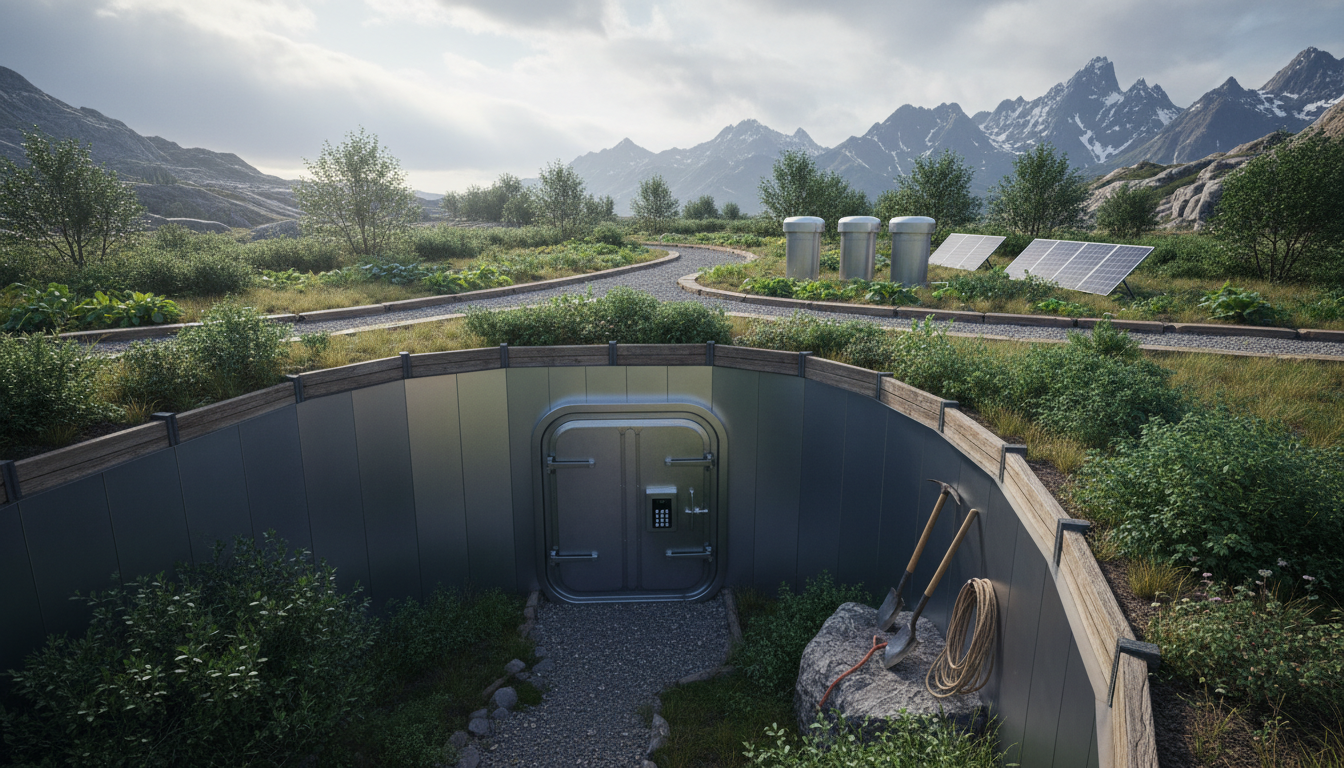
In today’s world, emergency preparedness is more important than ever. We’re seeing a rise in bunker designs that offer safety and comfort during crises.
Survival Bunkers are built to face many dangers, like natural disasters and pandemics. The newest designs use the latest tech and green living ideas. This makes them good for living in for a long time.
Looking at the newest trends in bunker building, we see they’re getting more advanced. We’ll look at what makes these bunkers safe and comfortable to live in.
Key Takeaways
- Modern bunkers are designed to be self-sustaining.
- Advanced technologies are being integrated into bunker designs.
- Bunkers can protect against a range of emergencies.
- Sustainable living solutions are a key feature.
- The latest designs prioritise both safety and comfort.
Understanding Survival Bunkers
In today’s world, knowing about survival bunkers is key to keeping us and our families safe. Atlas Survival Shelters says bunkers protect us from dangers. They have top-notch safety features and tech.
What Are Survival Bunkers?
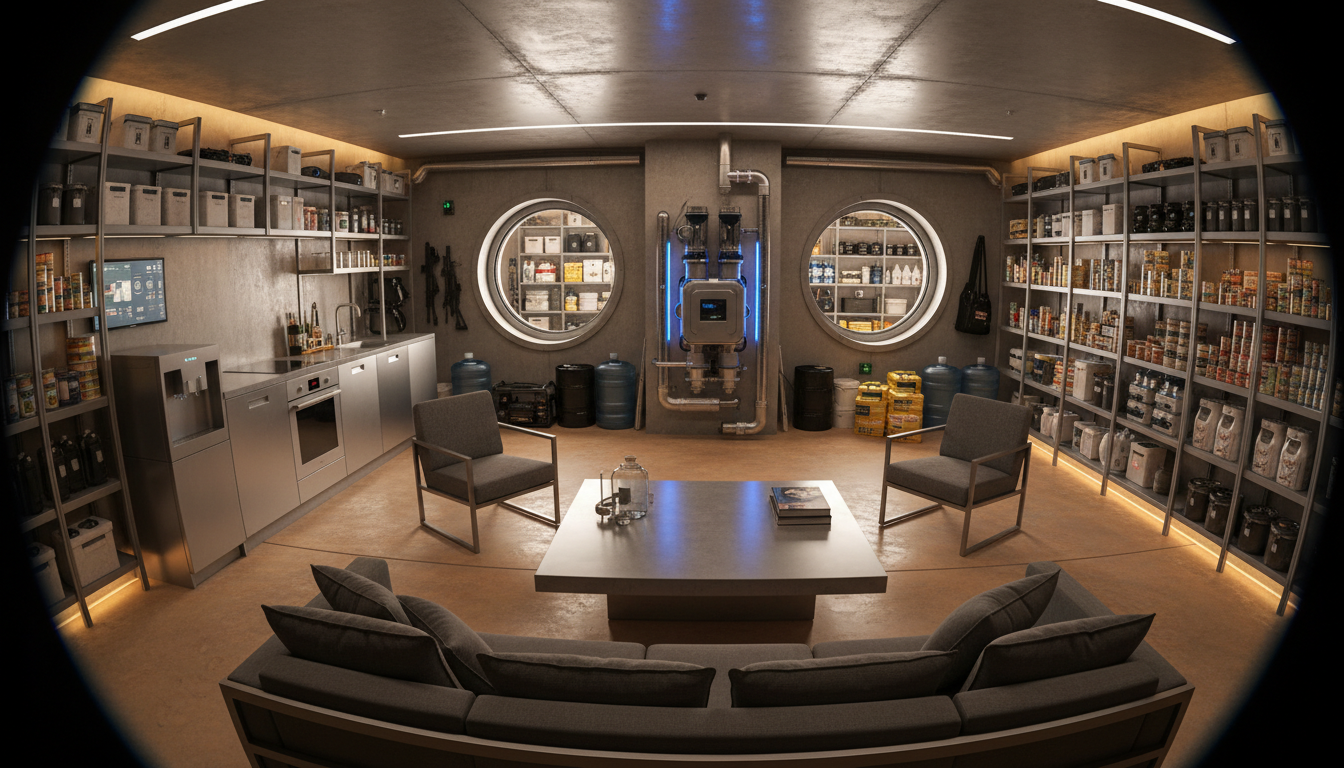
Survival bunkers, or underground shelters, are built to keep us safe in emergencies. They can handle extreme weather and disasters. This means those inside stay safe.
These bunkers have strong structures, green energy, and clean air systems. They’re a top choice for staying safe during disasters. Getting a bunker boosts your disaster preparedness.
The Importance of Survival Bunkers
Survival bunkers are vital for keeping us safe in crises. They work against natural disasters, pandemics, and other emergencies. Having one can save lives.
With a bunker, families stay safe and comfortable, even when things get tough. It gives us peace of mind and a solid plan for disaster preparedness.
To wrap it up, survival bunkers are critical for emergency readiness. They offer a safe place from many dangers. Knowing their value helps us make smart choices for our safety.
Key Features of Modern Survival Bunkers
Survival bunkers have changed a lot. Now, they are safe, sustainable, and can be lived in for a long time. They use new technologies and materials to keep people safe.
Reinforced Structures for Maximum Safety
Modern survival bunkers have strong structures. They can face many dangers, like natural disasters and human-made threats. Companies like Atlas Survival Shelters use structural i-beams and 1/4-inch American-made steel plate to build bunkers that last.
These materials help bunkers stand up to extreme weather and other dangers. Building them requires careful planning and work to make sure they are strong.
Sustainable Energy Sources
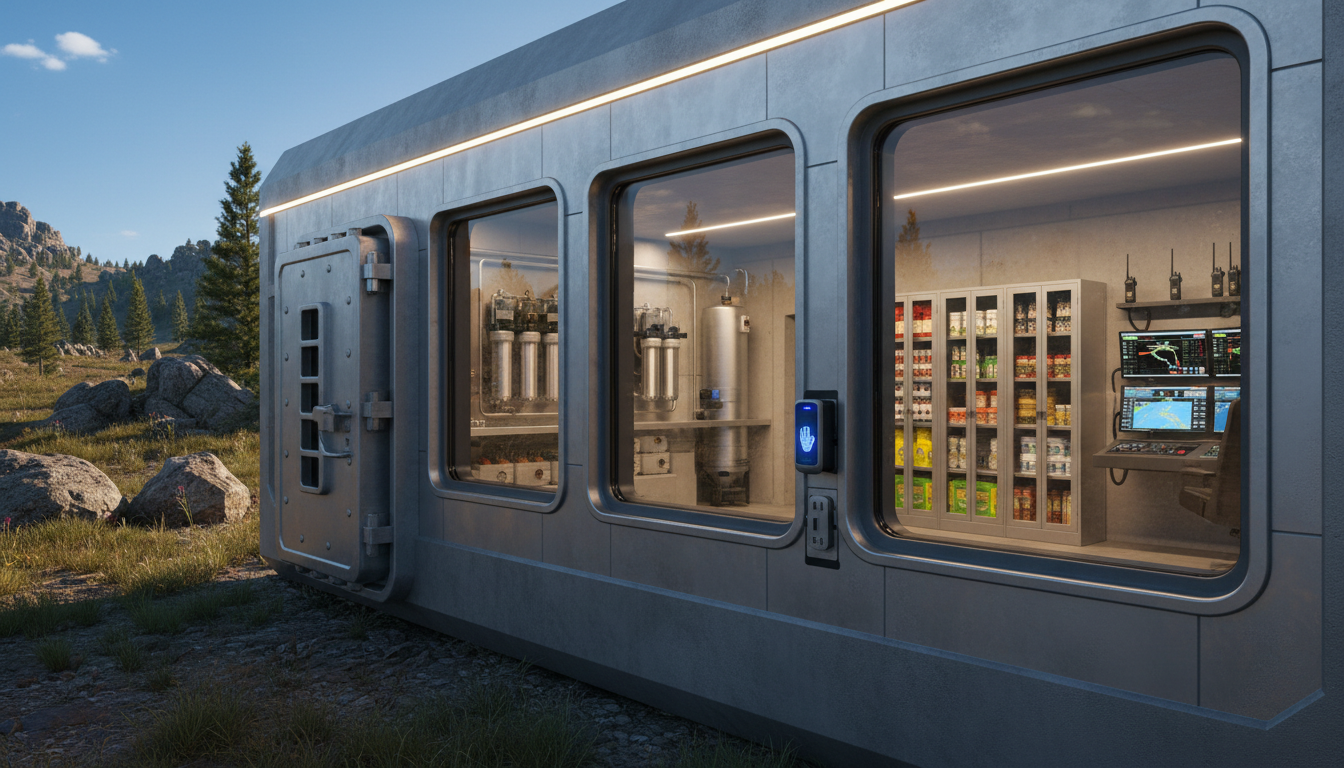
Modern survival bunkers use sustainable energy sources. Solar charging systems are common. They let bunkers make their own power.
This makes bunkers less dependent on outside energy. It also helps the environment by using clean energy.
Advanced Air Filtration Systems
Another key feature is advanced air filtration systems. These systems, made in Europe and Israel, clean the air. They keep the inside of the bunker safe.
NBC (Nuclear, Biological, Chemical) air filtration systems are special. They protect against many dangers, like chemical and biological threats. This is very important for staying safe in bad places.
In summary, modern survival bunkers have many new features. They are safe, use clean energy, and have air systems that keep the air clean. These bunkers offer a safe and comfortable place to be during emergencies.
Top Survival Bunker Designs for 2023
This year, we’re seeing a surge in sophisticated survival bunker designs. They focus on safety, sustainability, and comfort. These bunkers are not just safe havens but also livable spaces for extended periods.
Modular Bunker Designs
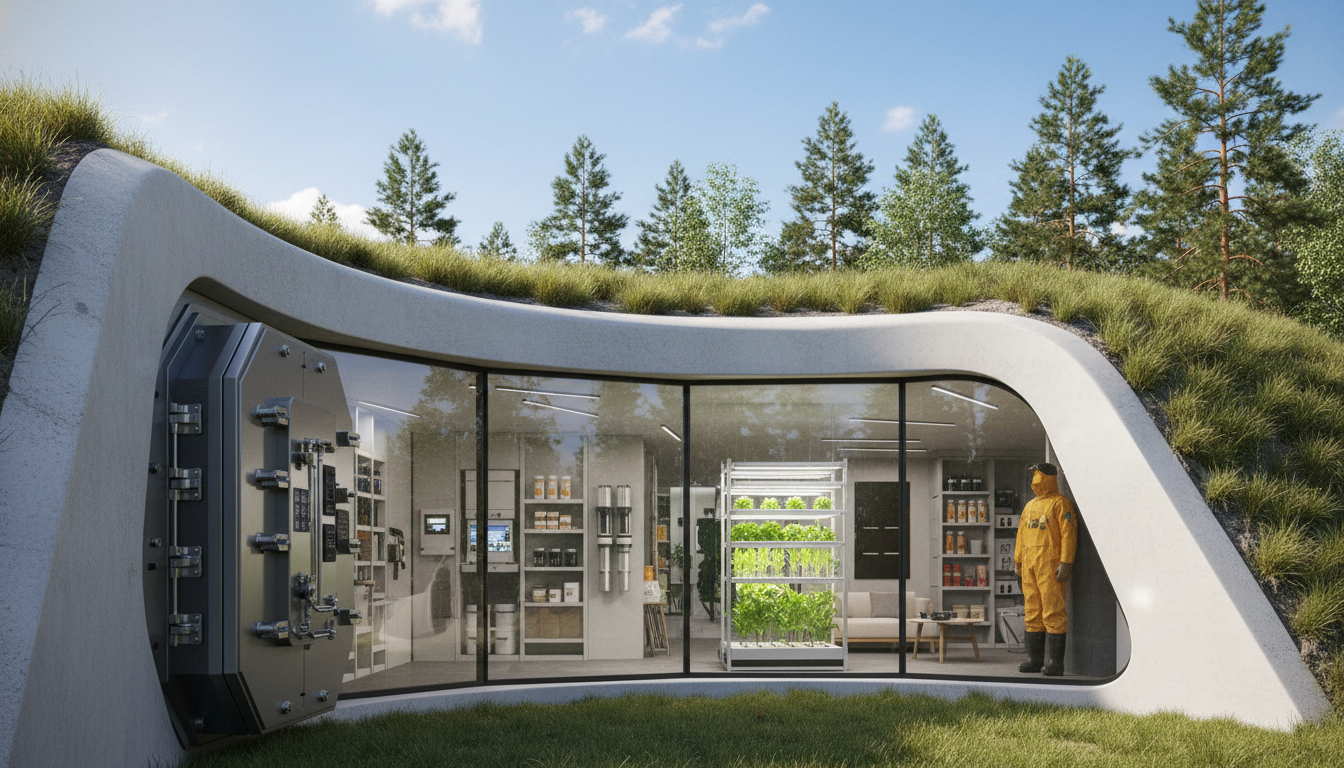
Modular bunker designs are popular for their flexibility and scalability. They can be easily expanded or modified as needed. Modular bunkers come with advanced air filtration systems, sustainable energy, and strong structures.
One big advantage of modular designs is they can be pre-fabricated and then assembled on-site. This cuts down construction time and costs. It also makes future upgrades and changes easier.
Underground vs. Above-Ground Options
The debate between underground and above-ground bunkers is ongoing. Underground bunkers protect against extreme weather and attacks, ensuring high security. Above-ground bunkers are more accessible and easier to build, depending on the terrain.
Choosing between underground and above-ground bunkers depends on budget, location, and needs. For example, areas prone to earthquakes might need reinforced above-ground structures.
Customisable Bunker Solutions
Customization is essential in survival bunkers. Customisable bunker solutions let individuals tailor their bunkers to their needs. Features can include advanced life support systems and entertainment, making the bunker a sustainable living space.
For example, DEFCON 2 Standard bunkers offer various features and can be upgraded. This customization ensures the bunker meets the occupants’ specific needs, improving their survival and comfort chances during emergencies.
Materials Used in Survival Bunker Construction
Choosing the right materials is key when building survival bunkers. The materials used affect how well the bunker can handle natural disasters and other dangers. They play a big role in keeping people safe.
Steel and Reinforced Concrete
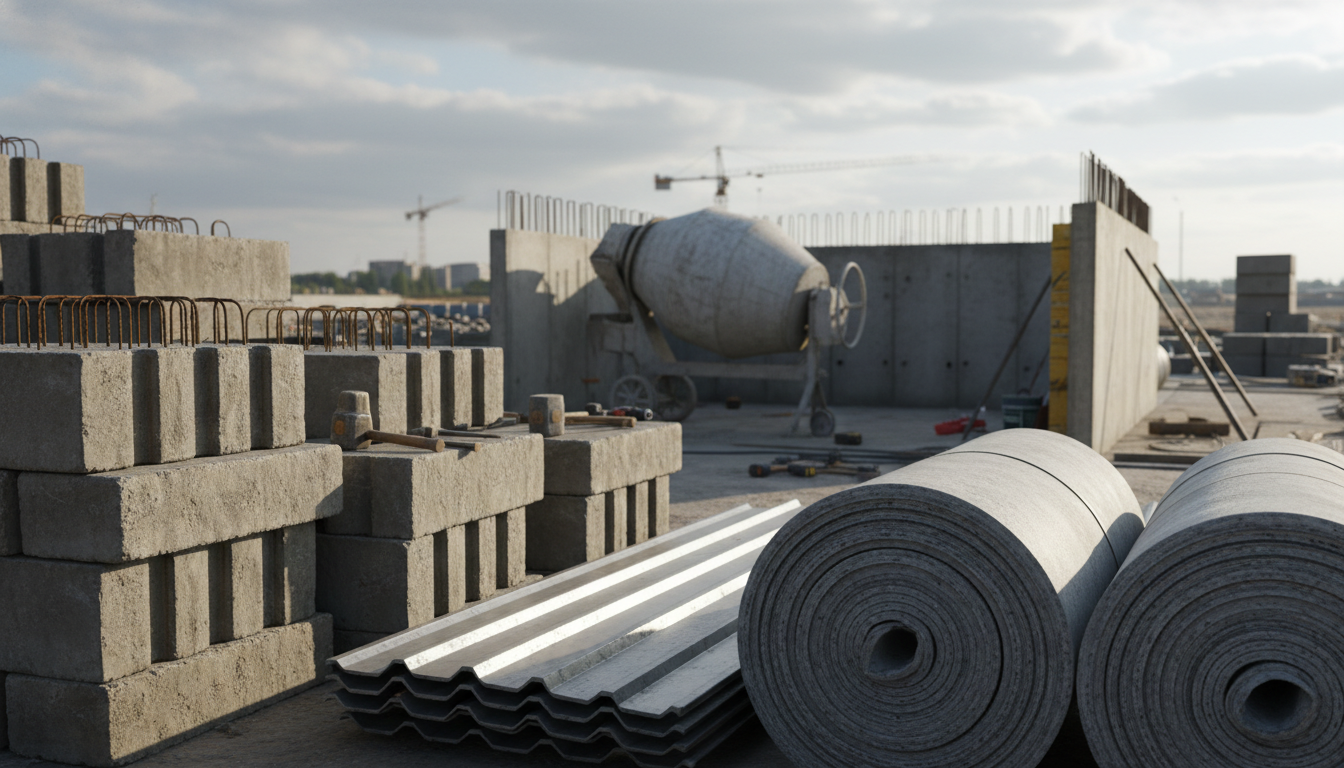
Steel and reinforced concrete are top choices for bunkers. They are strong and last a long time. For example, Atlas Survival Shelters use 1/4-inch American steel plate. DEFCON 2 Standard bunkers are all steel.
Key Benefits of Steel and Reinforced Concrete:
- High strength-to-weight ratio
- Resistance to natural disasters like earthquakes and hurricanes
- Ability to withstand extreme temperatures
Eco-Friendly Building Materials
Nowadays, bunkers are built with eco-friendly materials too. These materials help the environment and make the bunker healthier. Examples include recycled materials, sustainable wood, and paints with low VOCs.
The benefits of eco-friendly materials include:
- Reduced carbon footprint
- Improved indoor air quality
- Sustainable and renewable resources
Innovative Insulation Technologies
Insulation is important for keeping the bunker comfortable. New insulation technologies help a lot. Materials like vacuum insulated panels and multi-layer reflective insulation keep the bunker cool in summer and warm in winter.
| Insulation Material | R-Value | Benefits |
|---|---|---|
| Vacuum Insulated Panels | High | Space-saving, high thermal resistance |
| Multi-Layer Reflective Insulation | High | Effective against radiant heat, lightweight |
| Traditional Fiberglass | Medium | Cost-effective, widely available |
By picking the right materials and technologies, bunkers can be safe, durable, and comfy. They can also be good for the environment.
Planning Your Survival Bunker
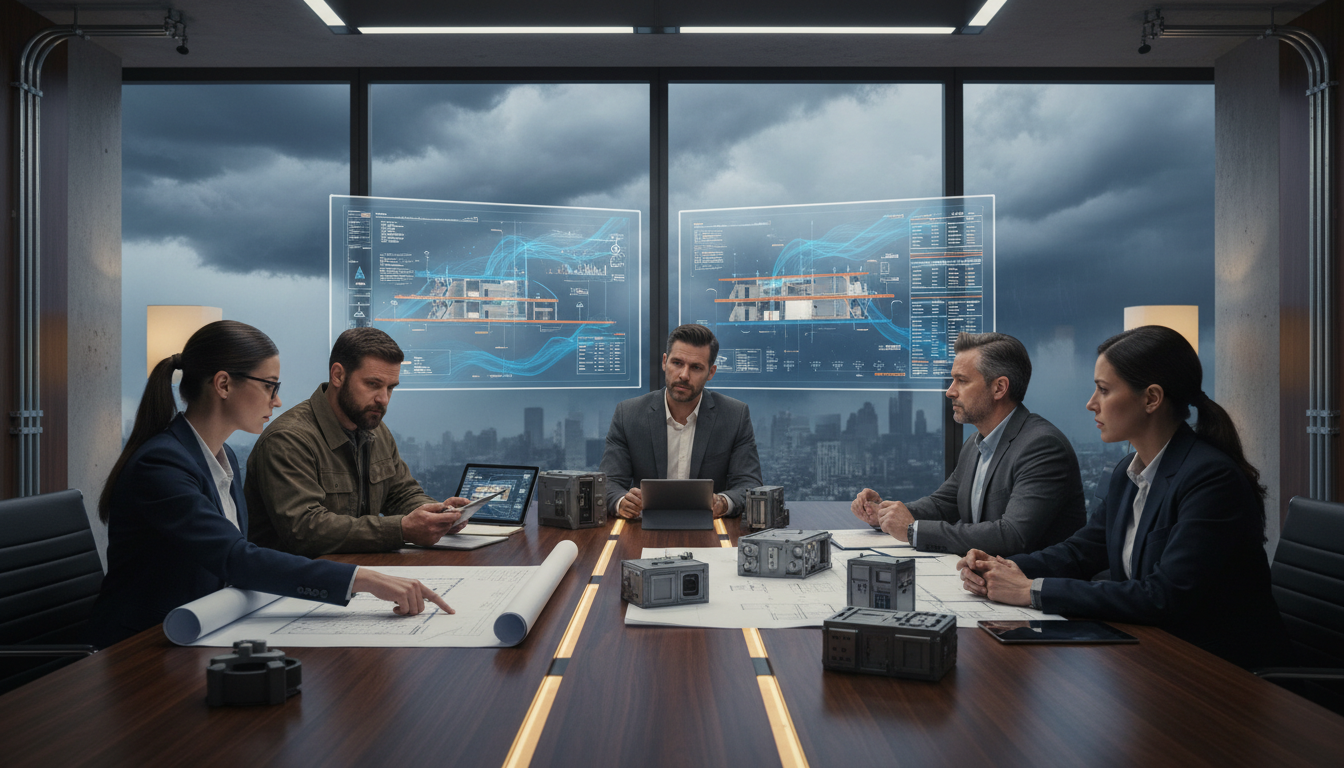
Planning a survival bunker involves many important factors. These ensure it’s safe and works well. It’s a detailed process that needs careful thought.
Location Considerations in Australia
Finding the right spot for your bunker in Australia is key. You need to think about geological stability, accessibility, and environmental conditions. Places at risk from floods or earthquakes need extra care.
Important location factors include:
- Proximity to essential services
- Geological stability
- Environmental conditions
- Accessibility
Zoning and Legal Regulations
It’s vital to know and follow zoning and legal rules. In Australia, these rules differ by state and territory. Make sure to check and follow local laws to avoid trouble.
Key points to remember are:
- Researching local zoning laws
- Getting the right permits
- Following building codes
Cost Estimates and Budgeting
Setting a realistic budget is essential. Costs include land, construction, equipment, and upkeep. A good budget helps manage resources well.
When budgeting, consider:
- Initial construction costs
- Expenses for ongoing maintenance
- Costs for equipment and supplies
Interior Design Trends for Bunkers
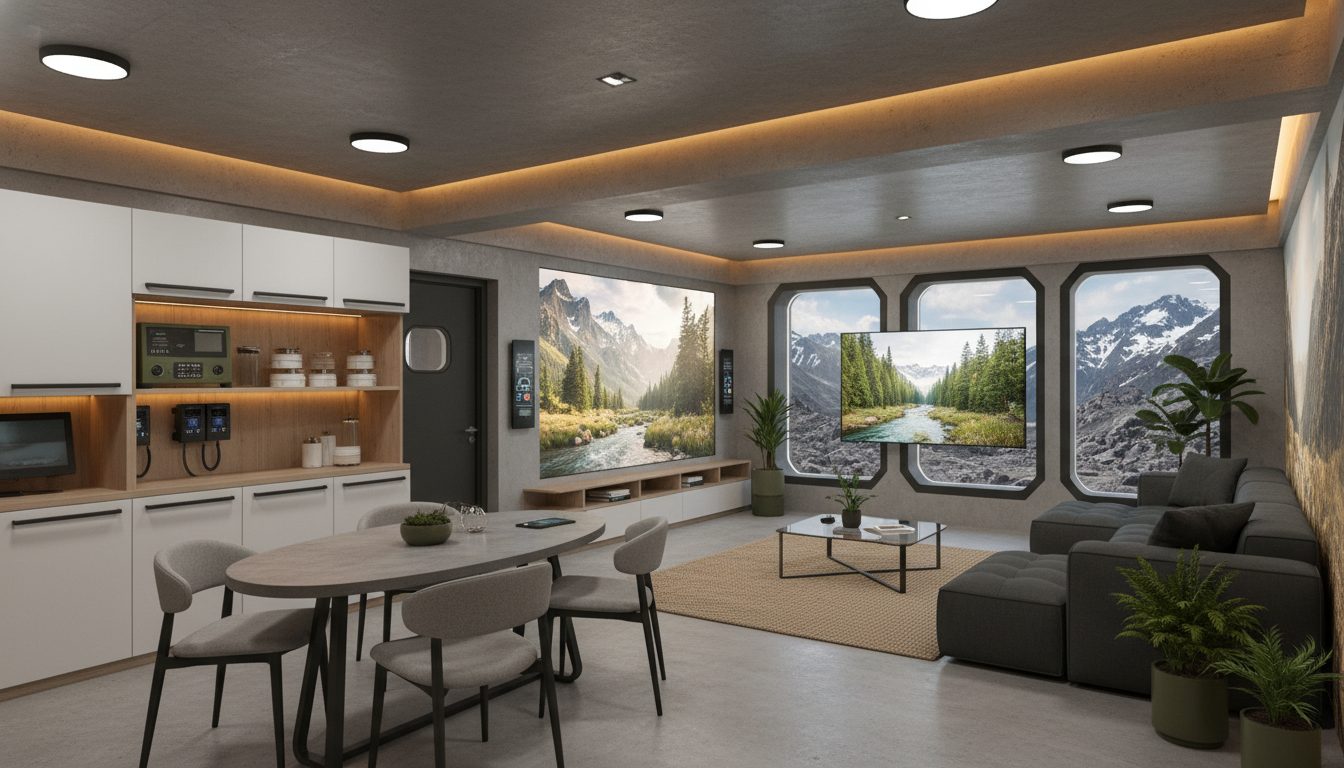
Interior design for bunkers now focuses on both function and comfort. It’s key to think about the well-being of those inside these structures.
Maximising Space in Limited Areas
One big challenge in bunker design is making the most of small spaces. We use furniture that does more than one thing and smart storage. For example, murphy beds and foldable tables help clear up space.
Using space up high is also smart. Shelving that reaches the ceiling offers lots of storage without taking up floor space. A simple design makes the area feel bigger and more inviting.
Creating a Comfortable Living Environment
Making a bunker feel like home is more than just looks. It’s about creating a space that’s good for your mind. This includes using natural light simulators or calming colors.
Having cozy areas is key for staying positive in a bunker. Add plush seats, soft lights, and plants for a big difference. Soundproofing also helps reduce stress from noise.
Smart Home Technology Integration
Adding smart home tech is a big plus in bunker design today. It lets you monitor and control things like air quality, temperature, and security in real time.
These systems can be controlled from anywhere, which is great for bunkers used as command centers or safe houses. It lets you manage your space even when you’re not there.
| Feature | Benefit | Implementation |
|---|---|---|
| Multi-functional Furniture | Maximizes Space | Murphy beds, foldable tables |
| Smart Lighting | Enhances Comfort | Programmable LED lighting |
| Air Quality Monitoring | Ensures Safety | Advanced air filtration systems |
By using these design trends, we can make bunkers that are safe, comfy, and good for long stays.
Essential Supplies for Your Survival Bunker
Preparing a survival bunker means stocking up on essential supplies. These supplies help keep you safe during emergencies. A well-stocked bunker can be a lifesaver, providing the resources needed to get through tough times.
“The key to survival is preparation,” say survival experts. Having the right supplies is key. Let’s look at the important supplies you’ll need for your bunker.
Food and Water Storage Recommendations
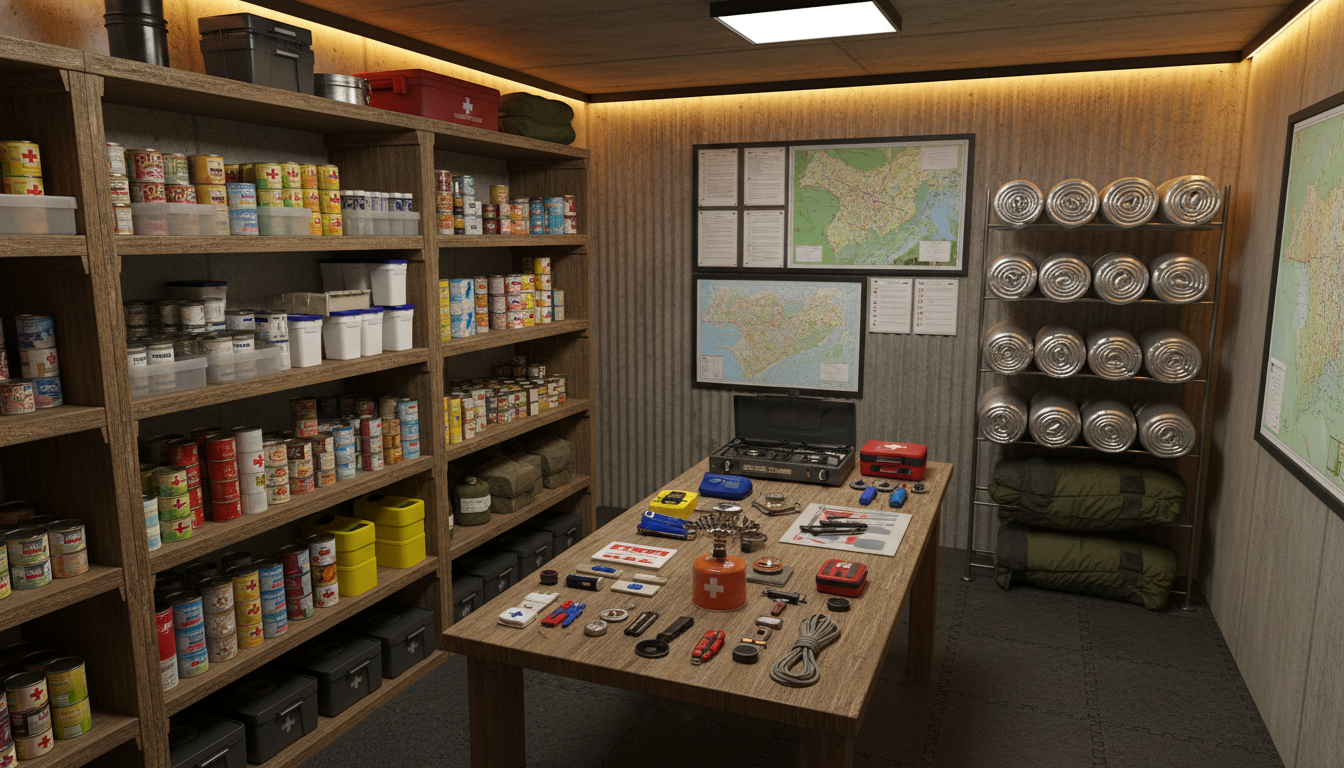
Having enough food and water is critical. Aim for two weeks’ worth of non-perishable food for each person. Choose high-calorie foods, MREs, and dehydrated meals. For water, aim for at least one liter per person per day for drinking, cooking, and hygiene.
Key considerations for food and water storage include:
- Using airtight, pest-resistant containers
- Rotating stock every six months to ensure freshness
- Considering water purification systems as an additional measure
Medical Supplies and First Aid Kits
A good first aid kit is essential. It should have bandages, antiseptic wipes, pain relievers, and any needed prescription medications. Make sure the kit meets the needs of everyone in the bunker, including for injuries and chronic conditions.
Regular checks and updates of medical supplies are vital to keep them effective and not expired.
Communication Devices and Equipment
Being able to communicate and stay informed is key. Use:
- Two-way radios or ham radios
- Satellite phones
- Emergency beacons (EPIRBs)
These devices need to be strong, battery-powered, and have backup power sources like solar chargers or batteries.
As DEFCON 2 Standard bunkers show, the right equipment and supplies are vital for survival. Focusing on these areas can greatly improve your chances of safely getting through emergencies.
Maintenance of Survival Bunkers
To keep your survival bunker safe and working well, regular maintenance is key. This means doing a series of tasks to keep your bunker in top shape. It’s ready to offer shelter and protection when needed.
Regular Inspections and Repairs
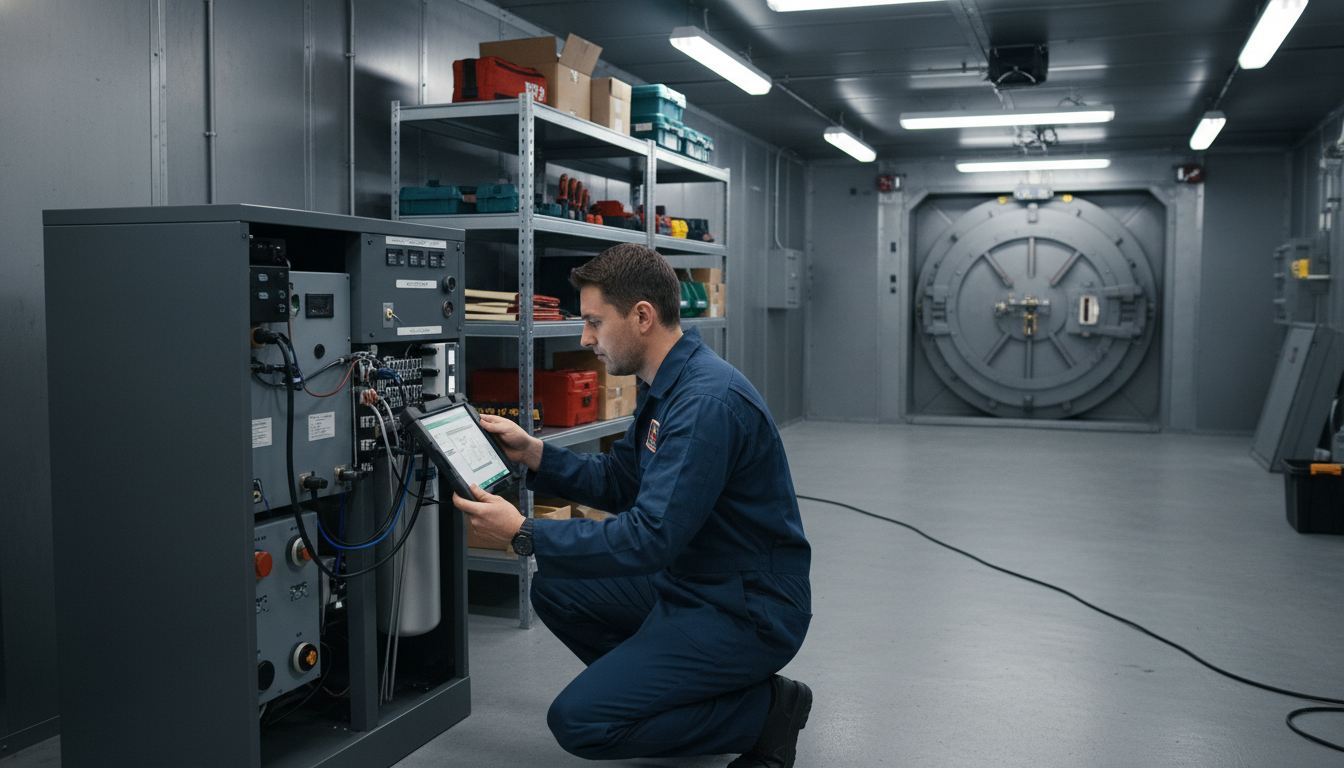
It’s important to check your bunker often to spot any problems early. We suggest doing a detailed check every six months. Look at the structure, electrical systems, and life support systems. Fix any damage or wear quickly to stop it getting worse.
Key areas to inspect include:
- The structural integrity of the bunker, including walls, floors, and ceilings.
- Electrical systems, such as wiring, lighting, and backup generators.
- Life support systems, including air filtration, ventilation, and water supply.
Upgrading Systems and Features
As new tech comes out and threats grow, it’s important to update your bunker. This might mean getting new air filters, better security, or smart home tech. These upgrades help keep your bunker effective and safe.
Consider the following upgrades:
- Advanced air filtration systems to protect against chemical and biological threats.
- Enhanced security features, such as surveillance cameras and alarm systems.
- Smart home technology integration for remote monitoring and control.
Preparing for Natural Disasters
To get your bunker ready for natural disasters, know the risks in your area. Then, take steps to lessen them. This could mean making your bunker stronger against earthquakes, flood-proofing it, or making it handle extreme temperatures.
Preparation tips:
- Research the most common natural disasters in your region.
- Design and reinforce your bunker to withstand these disasters.
- Stock supplies and equipment relevant to the possible disasters.
By following these maintenance tips, we can make sure our survival bunkers stay safe and ready. They give us the security and peace of mind we need during crises.
Community and Shared Bunker Concepts
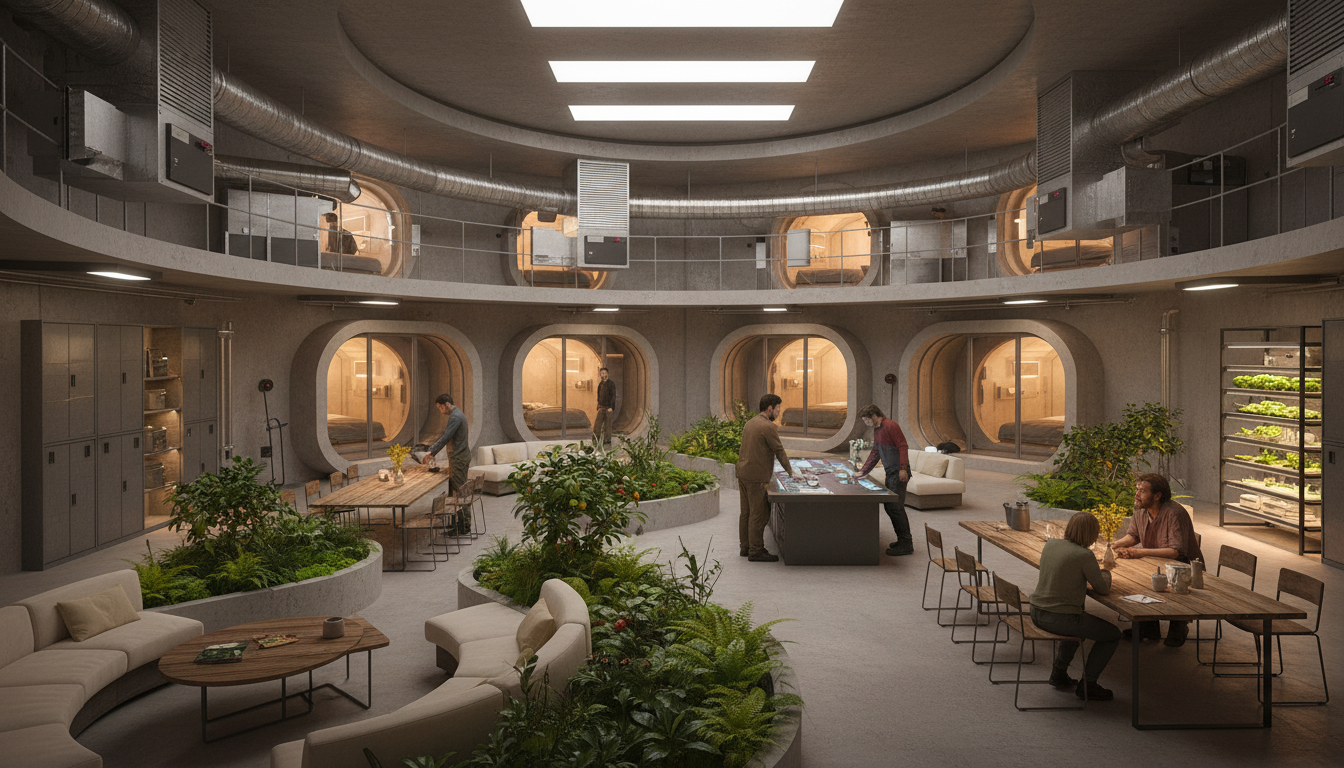
A new trend in survival bunkers is community and shared bunker concepts. This idea is becoming popular, mainly among those who like off-grid living and sustainable lifestyles.
Community bunkers are a great option for people and families wanting to be ready for emergencies. They also help build a community. By working together, people can make survival shelters that are stronger and last longer than ones built alone.
Benefits of Collaborative Living
Living together in community bunkers has many advantages. It means sharing knowledge, skills, and resources. This teamwork makes the bunker design better for different situations.
- Sharing resources lowers costs and improves life in the bunker.
- Different skills help keep the bunker running smoothly.
- Having a community provides emotional support during long stays.
Designing Group Bunkers
Creating group bunkers needs careful planning. It’s about space, resources, and what the community needs. Good bunker design for groups includes:
- Modular designs that can grow with the community.
- Shared areas like kitchens, medical rooms, and places to relax.
- Green systems for energy, water, and waste.
A well-designed community bunker makes living and staying safe better for everyone.
Security and Access Considerations
Security is key in community bunkers. It’s about who gets in and who doesn’t. Strong security keeps the community safe and stops unwanted visitors.
| Security Measure | Description | Benefits |
|---|---|---|
| Biometric Authentication | Uses fingerprints or facial recognition for access. | Very secure, lowers risk of unauthorized entry. |
| Surveillance Systems | Watches the outside and inside of the bunker. | Keeps threats away, helps in emergencies. |
| Access Control Protocols | Controls who can enter and when. | Makes the bunker safer, cuts down on breaches. |
With these security steps, community bunkers offer a safe place for their members.
Technological Innovations in Bunkers
Modern survival needs have led to big changes in bunkers. New tech makes bunkers safer, more secure, and better places to live. This makes them great for emergencies.
Home Automation Systems
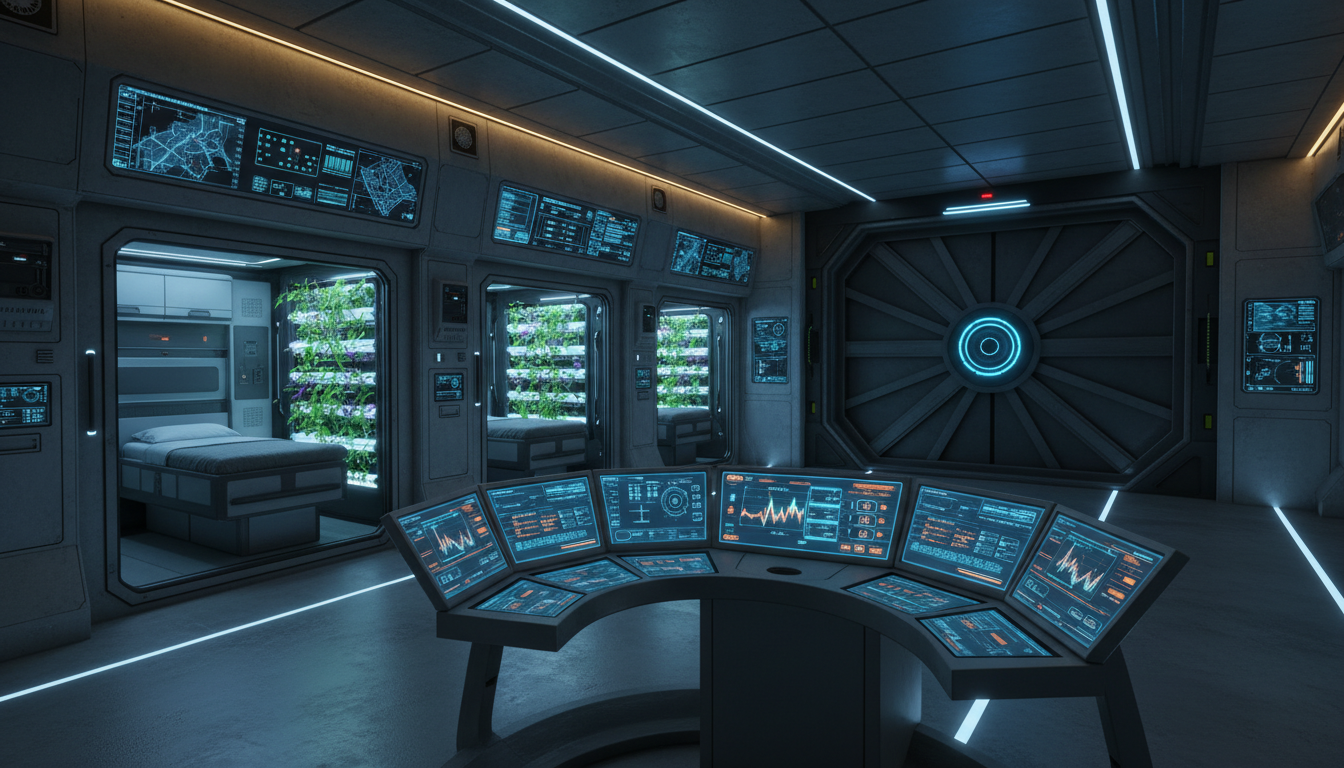
Home automation is changing how we use bunkers. It lets us control lights, temperature, and security easily. With just a button, we can make the bunker perfect for living.
- Smart Lighting: Systems that mimic day and night, helping us stay in rhythm.
- Climate Control: Top-notch HVAC keeps the air and temperature just right.
- Automated Doors and Seals: Remote control over entry and exit, keeping the bunker safe.
Surveillance and Security Technologies
Keeping people safe in bunkers is key. New tech lets us watch and respond to dangers fast.
- IP Camera Systems: Clear cameras watch the bunker inside and out.
- Motion Detectors: These sensors alert us to any movement, boosting security.
- Biometric Authentication: Secure entry uses fingerprints or faces to keep only the right people in.
Emergency Communication Tools
Staying in touch is vital in emergencies. Modern bunkers have tools to keep us connected.
- Satellite Phones: Phones that work even when regular phones don’t.
- Two-Way Radios: Radios for talking to others inside and outside the bunker.
- Emergency Beacon Systems: Send signals to help in urgent times.
With these new techs, bunkers are getting smarter and safer. They help us get ready for and handle emergencies better.
Survival Training and Preparedness
In the world of survival bunkers, being ready is everything. Having a shelter is just the start. Knowing how to use it is what really matters.
Training for Various Emergencies
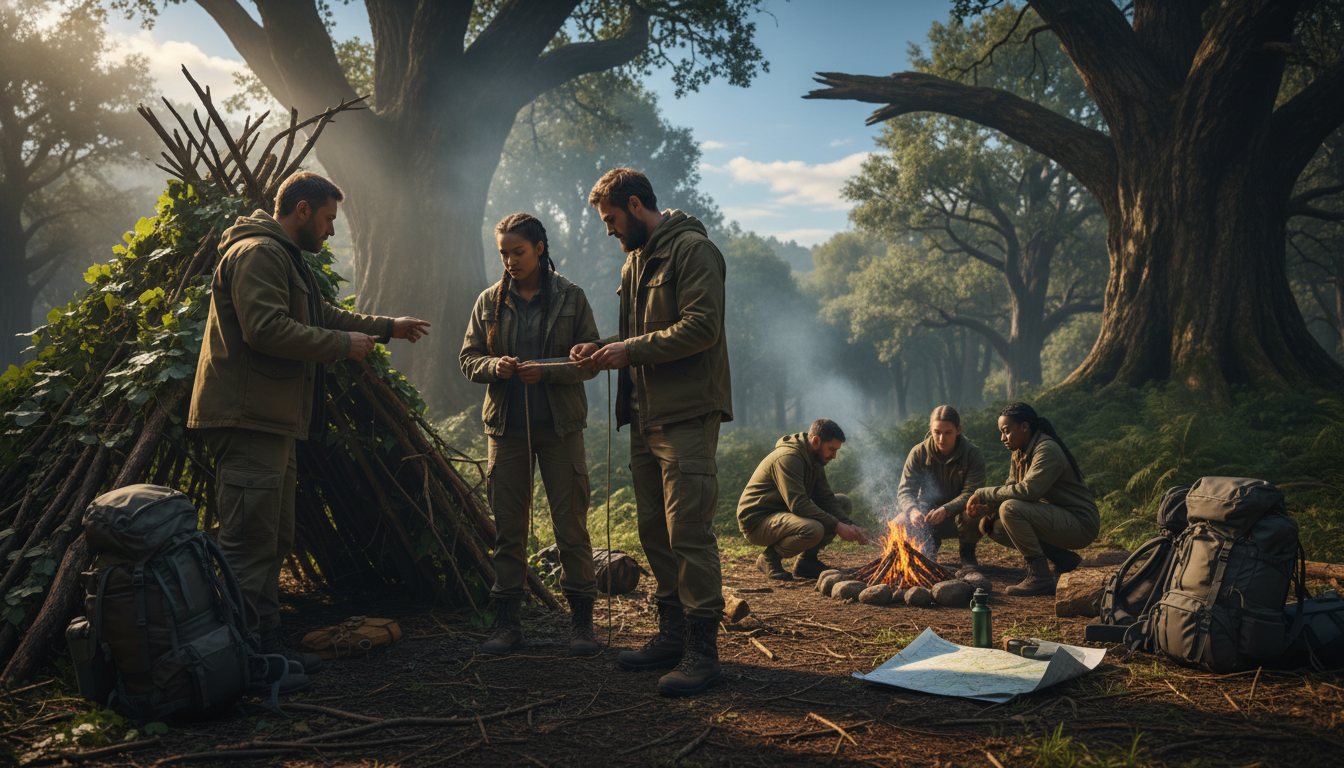
Learning to face emergencies is vital. We suggest taking courses that cover many scenarios. This includes natural disasters and other crises.
Key areas of training include:
- First aid and medical response
- Navigation and orientation
- Survival skills in various environments
- Crisis management and decision-making
Creating an Emergency Plan
Having a solid emergency plan is key. We advise making a plan that includes how to communicate, where to go, and where to meet. It’s important to update this plan often.
A good emergency plan should cover:
| Aspect | Description |
|---|---|
| Communication | Establishing a primary and secondary means of communication |
| Evacuation | Identifying safe evacuation routes and emergency shelters |
| Meeting Points | Designating safe meeting points both inside and outside the home |
Resources for Ongoing Education
Keeping up with survival skills is important. We suggest using online courses, workshops, and books. Staying current with survival and disaster preparedness is key.
Investing in survival training makes a big difference. We urge everyone to prepare for the unexpected.
Real-Life Survival Stories
Survival bunkers are proven by real-life stories. These tales show how important it is to be ready for disasters. They also show how bunkers save lives.
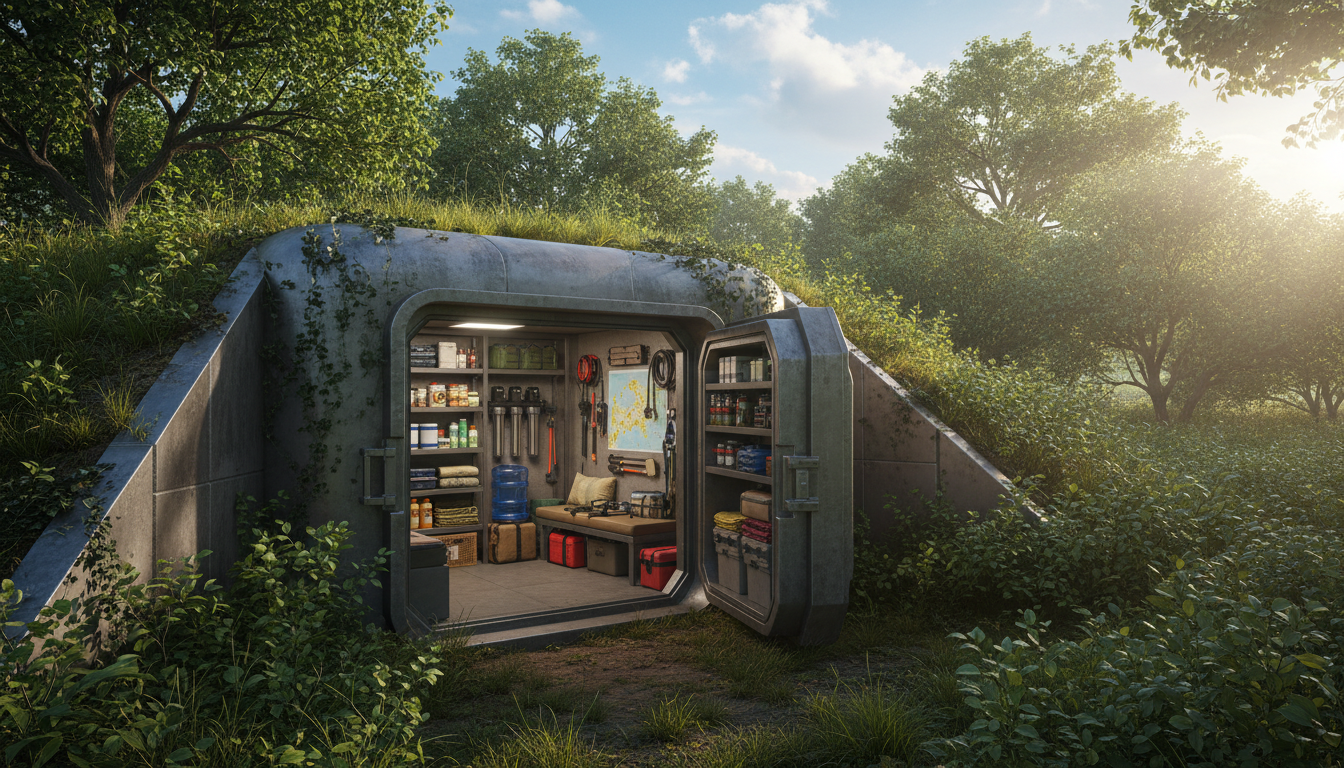
Lessons Learned from Survivors
People who survived disasters share important lessons. They say having a safe and secure shelter is key. For example, in the 2011 Christchurch earthquake, underground bunkers saved many lives.
Survivors also talk about the need for proper planning and preparation. They say it’s not just about having a bunker. You also need a good emergency plan, supplies, and ways to communicate.
How Bunkers Made a Difference
Bunkers have saved lives in many cases. For example, during Hurricane Katrina in 2005, some people in reinforced shelters stayed safe. These bunkers protected them from the wind and floodwaters that hit New Orleans hard.
The design and build of these bunkers were key. They had reinforced structures, advanced air filtration systems, and ways to keep energy going. These features helped the bunkers stay safe for a long time.
Community Resilience in Crisis
Survival bunkers also show the power of community. In many cases, bunkers are not just for one family. They become places where people come together to support each other.
This shows how important community preparedness and cooperation are. Bunkers that can hold many families help communities stay strong. They build a sense of togetherness and support.
Resources and Further Reading
We’ve wrapped up our look at survival bunkers. Now, we share some great resources to help you learn more and get ready. If you’re thinking about getting a survival shelter or bunker, there are reliable suppliers and makers out there.
Trusted Suppliers and Manufacturers
Atlas Survival Shelters and DEFCON 2 are top choices. They have bunkers you can customise and all the essentials for staying safe during disasters. Their aim is to keep you safe and comfortable, no matter what.
Online Forums and Community Groups
Joining online forums and groups is a smart move. You’ll get tips and advice from people who know what they’re doing. It’s a great place to talk about bunkers, share survival tricks, and learn from others.
Recommended Books on Survival and Bunkers
Want to learn more? There are some excellent books on survival and bunkers. They cover everything from building a shelter to disaster prep strategies. They’re a great way to expand your knowledge.
FAQ
What is a survival bunker?
A survival bunker is a strong structure built to keep people safe. It protects against natural disasters, pandemics, and emergencies. It’s a secure place to hide during tough times.
Why are survival bunkers important?
Survival bunkers are key for getting ready for emergencies. They offer a safe spot during disasters. They help people survive and do well in hard times.
What are the key features of modern survival bunkers?
Modern bunkers have strong structures, green energy, and clean air systems. These features make them safe, comfy, and good to live in.
What materials are used in survival bunker construction?
Bunkers use steel and concrete for strength. They also use green materials and special insulation. This makes them strong, green, and warm inside.
How do I plan a survival bunker in Australia?
Planning a bunker in Australia means thinking about location and laws. You also need to think about costs. This ensures your bunker meets your needs and follows local rules.
What are the benefits of modular bunker designs?
Modular designs are flexible and can be changed. They let you make your bunker fit your needs. You can also update it easily.
What essential supplies are needed for a survival bunker?
You need food, water, medical stuff, and ways to communicate. These help people survive and stay in touch during emergencies.
How do I maintain my survival bunker?
Keep it up by checking and fixing things often. Update systems and prepare for disasters. This keeps your bunker safe and ready.
What are the benefits of community and shared bunker living?
Living in a bunker with others offers support and shared resources. It’s safer and more fun, making it a good choice for community.
What technological innovations are being integrated into survival bunkers?
Bunkers now have smart systems, security tech, and emergency comms. These make them safer, easier to use, and more useful.
Why is survival training and preparedness important?
Training and getting ready are key for facing emergencies. They help you use your bunker well. This way, you can survive and thrive in tough times.
Where can I find resources and further reading on survival bunkers?
Look for trusted suppliers, online groups, and survival books. They offer more info and advice on bunkers and survival.
